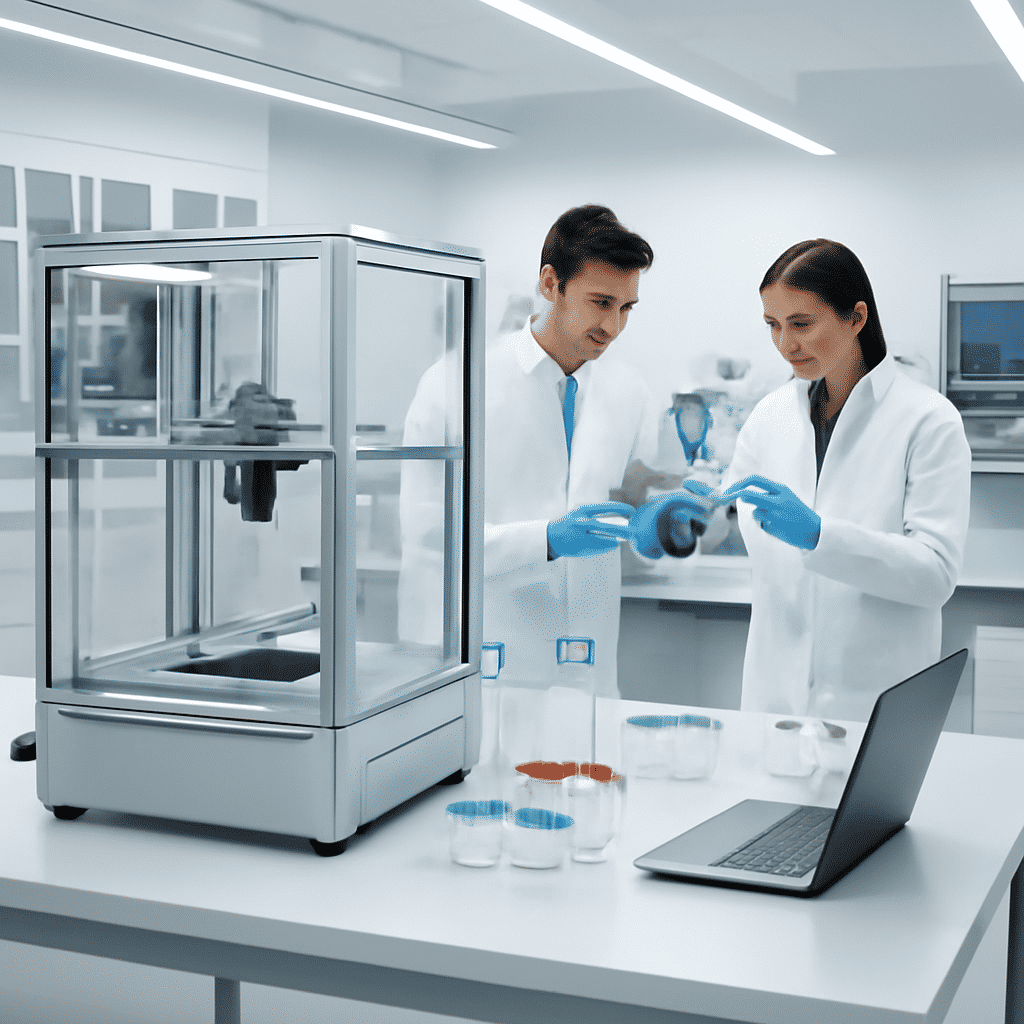
Biomedical engineering is at the forefront of revolutionizing healthcare through its blend of engineering principles and biological science. Recent advancements in this field are transforming patient care, diagnostics, and treatment by harnessing innovative technologies and interdisciplinary research.
One of the most groundbreaking areas in biomedical engineering is the development of personalized medicine. This approach tailors medical treatments to individual characteristics, such as genetics and lifestyle, promising more effective and targeted therapies. With the advent of high-throughput sequencing and powerful data analytics, biomedical engineers are developing tools that allow for precise genetic profiling. These tools enable healthcare professionals to predict disease risk, customize treatment plans, and improve patient outcomes substantially.
Another significant advancement is the engineering of biomaterials and tissue scaffolds, which play a crucial role in regenerative medicine. These materials mimic the natural tissue environment, facilitating tissue repair and regeneration. 3D bioprinting technology, for instance, has made it possible to create complex tissue structures with unprecedented precision, paving the way for custom-designed organs and tissue grafts. This technology not only holds promise for organ transplants but also for testing new drugs in a laboratory setting, reducing the need for animal testing.
Artificial intelligence (AI) and machine learning (ML) are also making substantial contributions to the field. These technologies are particularly valuable in medical imaging, where they enhance diagnostic accuracy and speed. By training algorithms on vast datasets of medical images, AI can detect abnormalities with greater precision than ever before, aiding in the early detection of diseases such as cancer. Additionally, AI-driven wearable technology is providing real-time monitoring of patients, allowing for continuous assessment and timely intervention.
Moreover, the integration of robotics into biomedical engineering is improving surgical outcomes and patient recovery times. Robotic surgery systems, such as the da Vinci Surgical System, offer surgeons enhanced precision, flexibility, and control during operations. These systems minimize invasiveness, reduce surgical complications, and shorten recovery periods, enhancing the overall quality of surgical care.
The field is also making headway in developing advanced prosthetics and exoskeletons that significantly improve the quality of life for individuals with mobility impairments. These devices, which incorporate sensors, motors, and control algorithms, offer enhanced functionality and natural movement, bridging the gap between artificial and biological limbs.
Biomedical engineering’s advancements are not confined to the body; they are also stretching into new realms of human-computer interaction. Brain-computer interfaces (BCIs) are one such innovation, providing new ways for individuals to communicate and interact with their environment, particularly those with severe physical disabilities. This technology interprets neuronal signals and translates them into commands that control external devices, opening new possibilities for communication and control.
The future of biomedical engineering holds tremendous potential for further breakthroughs. Continuous interdisciplinary collaboration is key to addressing complex medical challenges and improving healthcare delivery. As these technologies evolve, they promise to make healthcare more effective, accessible, and personalized, ultimately enhancing human health and well-being on a global scale.
In conclusion, biomedical engineering stands as a pillar of transformative innovation within healthcare. Its advances are making substantial impacts by improving existing treatments, introducing new therapeutic possibilities, and forever changing the landscape of medical practice. As this field continues to expand, its contributions will undoubtedly remain integral to the future of medical science and patient care.