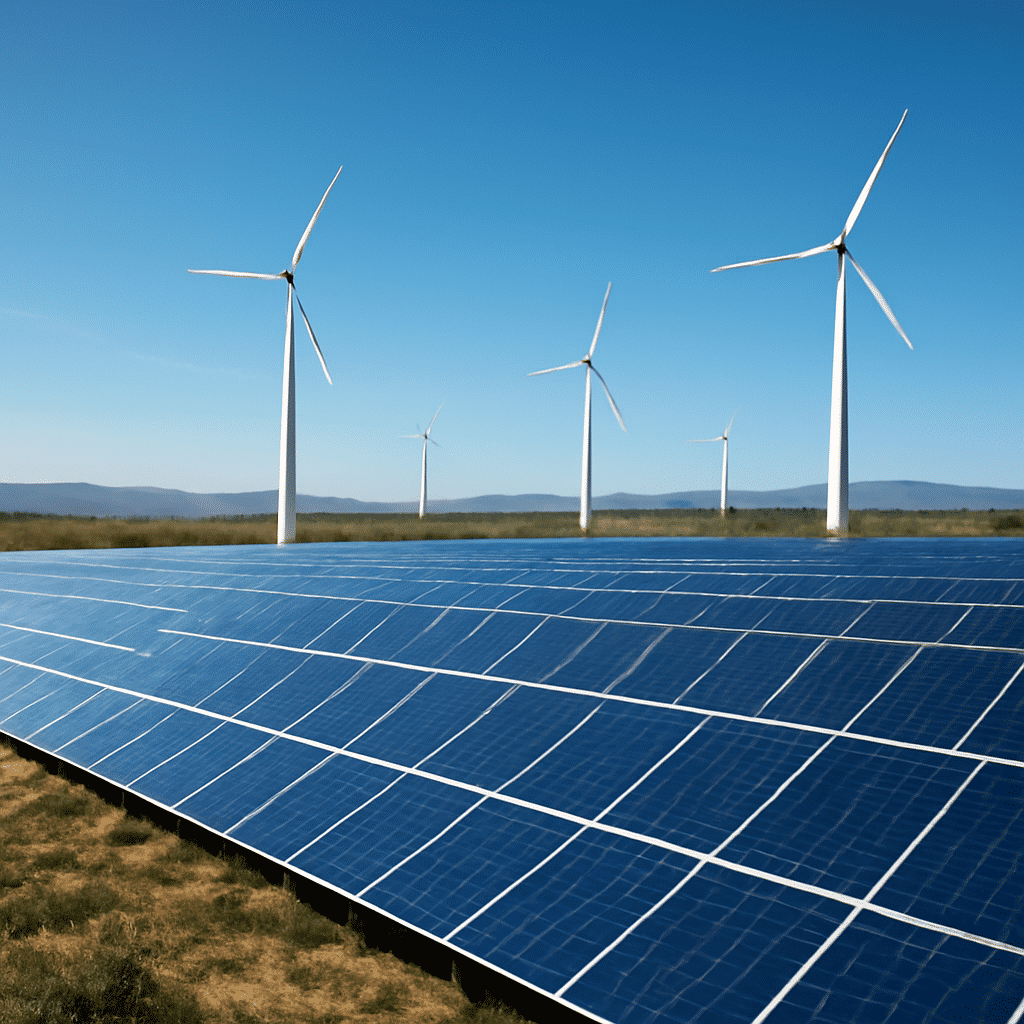
As the urgency to combat climate change intensifies, the renewable energy sector is witnessing unprecedented breakthroughs. These innovations not only promise to reduce carbon footprints but also redefine the mechanics of powering our world sustainably. Here’s an exploration of some of the latest advancements revolutionizing renewable energy.
Solar Power Innovations
The field of solar energy is experiencing significant advancements with the development of perovskite solar cells. Unlike traditional silicon solar panels, perovskite cells are cheaper to produce and boast higher efficiency rates. Recently, researchers have managed to stabilize these cells using a hybrid organic-inorganic compound, significantly enhancing their commercial viability. Furthermore, bifacial solar panels, capable of capturing sunlight on both sides, are doubling the energy capture potential, maximizing efficiency in areas with ample reflective surfaces.
Wind Energy Advancements
In the realm of wind energy, offshore wind technology is making waves. Floating wind turbines, which can be deployed in deep ocean waters, are opening up new avenues for energy generation far from coastlines, minimizing land use and visual impact. Recent innovations include bladeless wind turbines, which operate through resonance and oscillation of a vertical cylinder, reducing maintenance costs and wildlife risks associated with traditional turbines.
Harnessing the Power of Water
Marine energy is evolving with the development of advanced tidal and wave energy technologies. Companies are creating modular systems that can harness kinetic energy from ocean currents. These systems are scalable, enabling them to power entire coastal communities. Enhancements in energy storage technology, such as submerged energy storage systems, are also on the rise. By utilizing compressed air or gravity-based mechanisms, these systems promise to store energy efficiently underwater, overcoming one of the major hurdles of renewable power: intermittency.
Biomass and Geothermal Wonders
Biomass energy is being transformed through the use of algae and microbial processes. Algae bioreactors can produce biofuels with minimum land use while absorbing carbon dioxide in the process, revealing potential for carbon-neutral or even carbon-negative technologies. Meanwhile, geothermal energy is benefiting from enhanced geothermal systems (EGS). By artificially stimulating hot, dry rocks to access heat, EGS offers consistent and reliable energy sources, even in regions without naturally occurring geothermal activity.
Energy Storage and Distribution
Energy storage remains a critical component for renewable reliability. The emergence of solid-state batteries represents a pivotal leap forward. These batteries offer higher energy densities, longer life spans, and faster charging times than traditional lithium-ion solutions, fostering better integration into electric grids. Furthermore, the use of artificial intelligence in microgrid technology is optimizing energy distribution. AI systems analyze consumption patterns and weather forecasts in real-time, facilitating smart energy management that reduces waste and costs.
The Promise of Green Hydrogen
Green hydrogen, produced by electrolysis powered by renewables, is gaining momentum as a versatile and clean energy carrier. Its potential to decarbonize sectors hard to electrify, such as heavy industry and long-haul transport, marks it as a crucial player in the future energy landscape. Recent investments are scaling up production, and advancements in electrolysis efficiency are reducing costs, making green hydrogen more competitive and accessible.
Collaborative Synergies
The success of renewable energy breakthroughs also hinges on policy support and international collaboration. Governments and private sectors across the globe are forming strategic partnerships, sharing technological insights and funding research. Initiatives such as the International Solar Alliance and Mission Innovation foster global progress by uniting efforts to overcome technical and financial barriers, ensuring that cutting-edge innovations translate into practical, scalable solutions worldwide.
These breakthroughs illuminate a promising path toward a sustainable future, transforming how the world generates and consumes energy. As technologies mature and integrate into everyday life, the collaborative efforts between innovators, industries, and policymakers hold the potential to not only mitigate the impacts of climate change but also lay the foundation for an energy-secure world.