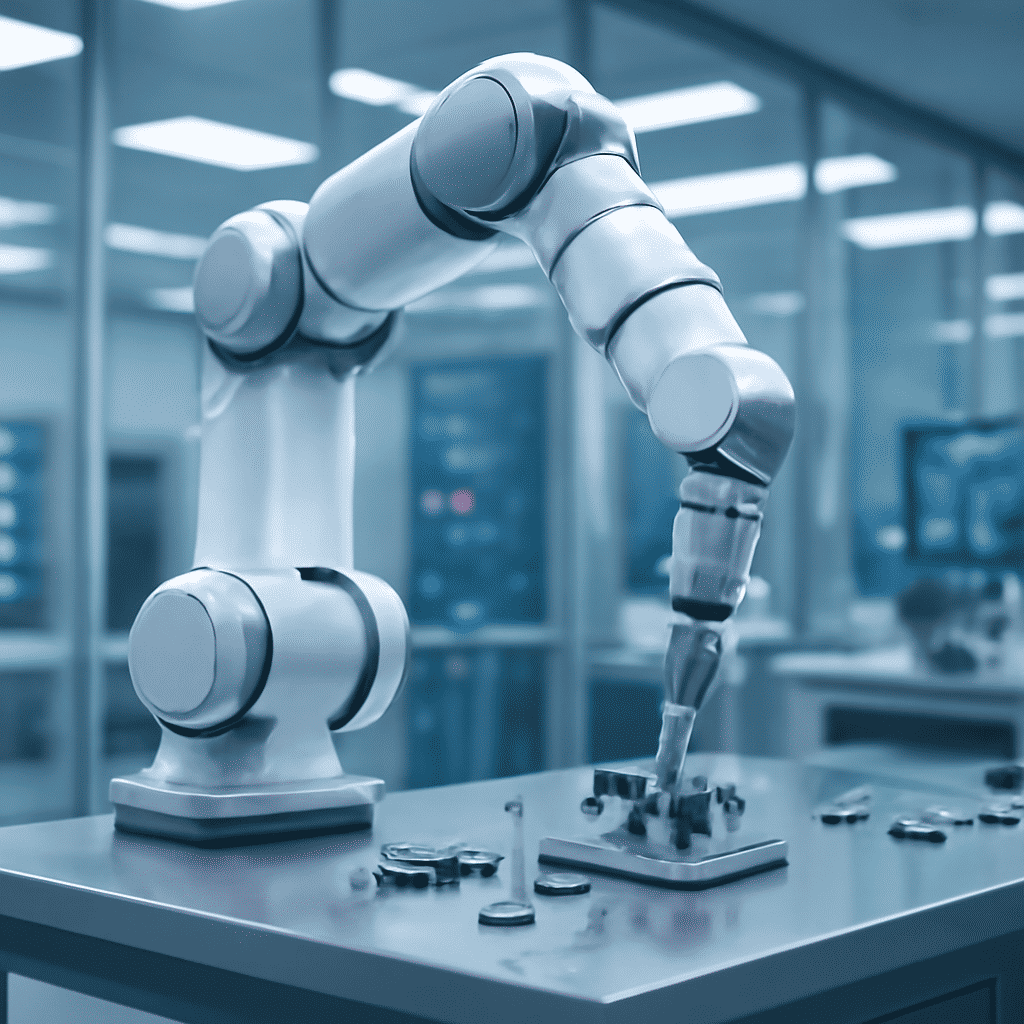
In recent years, the field of robotics has witnessed transformative breakthroughs that have significantly enhanced automation and precision across various industries. These advancements in robotic technology are not merely incremental; they represent paradigm shifts that are fundamentally altering the landscape of manufacturing, healthcare, agriculture, and more. By integrating these breakthrough robotics, businesses and organizations are unlocking unprecedented levels of efficiency, accuracy, and innovation.
One of the most notable advancements in robotics is the development of collaborative robots, or cobots. Unlike traditional industrial robots that operate in isolation from human workers, cobots are designed to work alongside humans, augmenting their capabilities and enhancing productivity. These robots are equipped with advanced sensors and machine learning algorithms, enabling them to adapt to dynamic work environments and execute complex tasks with utmost precision. This human-robot synergy is revolutionizing industries like manufacturing, where cobots can handle repetitive tasks, allowing human workers to focus on more strategic and creative functions.
Another groundbreaking development is in the realm of artificial intelligence (AI) integration with robotics. AI-driven robots are now capable of learning and improving their performance over time through data analysis and machine learning. This capacity for self-optimization is invaluable in precision-demanding sectors such as healthcare, where robotic surgeons can perform intricate procedures with exceptional accuracy, minimizing the risk of human error and significantly improving patient outcomes.
In the agricultural sector, robotics is powering a new era of precision farming. Autonomous drones and ground-based robots equipped with sensors and AI capabilities are transforming how crops are monitored and harvested. These robots can analyze soil health, identify pest infestations, and even apply pesticides and fertilizers with pinpoint accuracy, reducing waste and environmental impact while maximizing crop yield.
Furthermore, logistics and supply chain operations are being reshaped by the integration of robotics. Automated guided vehicles (AGVs) and autonomous mobile robots (AMRs) are streamlining warehouse operations by automating the movement of goods, reducing bottlenecks, and enhancing the speed and accuracy of order fulfillment. This level of automation is critical in today’s fast-paced e-commerce landscape, where efficiency is key to meeting consumer demands.
The adoption of breakthrough robotics, however, extends beyond just technological advancements. It requires a strategic approach to change management, ensuring that human workers are adequately trained to work alongside these sophisticated machines. This involves upskilling initiatives and a cultural shift within organizations to embrace automation as a complementary force rather than a replacement.
As we continue to push the boundaries of what robots can achieve, ethical considerations and regulatory frameworks must also evolve to ensure the responsible use of these technologies. This includes addressing concerns related to data privacy, security, and the potential impact on employment.
In summary, the integration of breakthrough robotics is redefining the boundaries of automation and precision. By harnessing the power of advanced robotics, industries are not only optimizing their current operations but are also laying the groundwork for future innovations. As we look forward, the synergy between humans and robots promises to unleash new possibilities, driving progress and enhancing the quality of life in unprecedented ways.